Moscatel de Setúbal is a fortified produced by Dona Helena in Setúbal, Setúbal Peninsula, Portugal. Made from Muscat of Alexandria. Cellarion's sommeliers have reviewed the drink window of 1 vintage; members see when it is ready. Track this wine and manage your cellar with Cellarion — the free, open-source wine app at cellarion.app.
Type: Fortified
Appellation: Setúbal
Region: Setúbal Peninsula
Country: Portugal
Grapes: Muscat of Alexandria
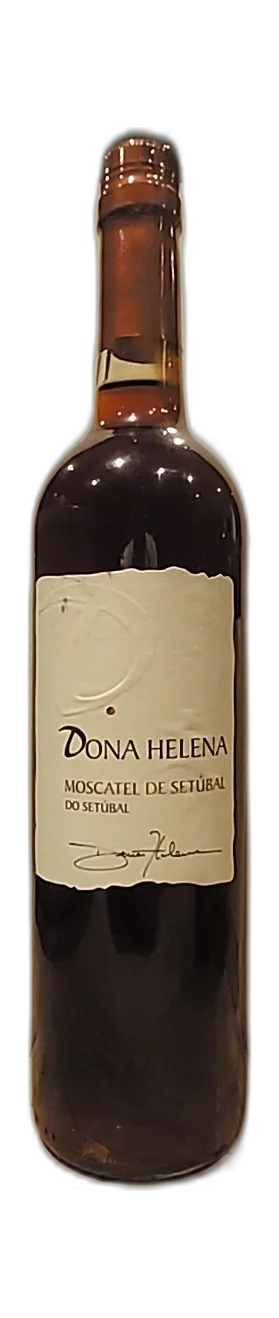
Tasting profile (AI-generated)
Structure: full-bodied, medium acidity, sweet
A rich, amber-hued fortified sweet wine with the aromatic, grapey lift typical of Muscat, layered here with raisin, dried orange peel and honeyed sweetness from fortification and cask ageing. Full-bodied and unctuous, with enough acidity to keep it from feeling cloying, finishing on notes of toasted nuts and candied citrus. It suits slow sipping alongside cheese or nut-based desserts rather than everyday drinking.
When to drink
Cellarion's sommeliers have reviewed the drink window of 1 vintage of Moscatel de Setúbal. Sign up free to see when it is ready.
Where it comes from
Setúbal Peninsula, Portugal
Setúbal Peninsula — Just south of Lisbon in Portugal, this coastal region is best known for a historic fortified sweet wine, though it makes plenty of dry table wine too.
Muscat of Alexandria
Muscat of Alexandria is an ancient white grape from the eastern Mediterranean, one of the oldest cultivated varieties and a member of the wide-ranging Muscat family.
More wines
More fortified wines from Setúbal Peninsula
- Alambre Moscatel de Setúbal 20 Anos — José Maria da Fonseca, Moscatel de Setúbal
- Moscatel de Setúbal — Casa Ermelinda Freitas, Moscatel de Setúbal
- Dona Ermelinda Moscatel Roxo de Setúbal — Casa Ermelinda Freitas, Setúbal
Frequently asked questions
Where is Moscatel de Setúbal from?
Moscatel de Setúbal is produced by Dona Helena in Setúbal, Setúbal Peninsula, Portugal.
What grapes are in Moscatel de Setúbal?
Moscatel de Setúbal is made from Muscat of Alexandria.